Hope & Healing
You Don't Have To Get Over It To Move Forward

 Client Portal Login
 Book
Online Session
Book
Online Session
You Don't Have To Get Over It To Move Forward
Not All Losses Come With A Funeral
Grief Changes Everything. You Don't Have To Navigate It Alone
Grief isn't something you simply "get over."
When someone, something or a version of your life is lost, it can change how you see yourself, your relationships & the future you thought you were going to have.
Sometimes grief is obvious.
Someone you love has died.
A relationship has ended.
You've lost a beloved pet.
But grief can also come from changes that don't always get recognized as loss, a health diagnosis, infertility, a career ending, divorce, estrangement, a move, loss of identity or realizing that life isn't going to look the way you imagined.
At Auschrat Counselling, Heather, Lesley, Rebecca & Colin each bring a different perspective to grief & loss counselling.
That means you can find support that fits not only the loss you're experiencing, but also how you need to work through it.
One of the hardest things about grief is hearing that you need to move forward.
You may not want to move forward.
You may want to go back to `the way things were`.
You may feel sad, angry, numb, lost, guilty, relieved, exhausted or completely overwhelmed.
You may feel all of these things.
You may have good days followed by a day when it feels like the loss happened all over again.
Grief doesn't follow a neat timeline.
Counselling isn't about forgetting someone or pretending the loss didn't happen.
It's about creating a space to understand what you're experiencing, process what has happened & find a way to continue living while
carrying what, & who, matters to you.

There isn't one "right" way to grieve. You might:

Pets aren't just animals. For many people, a pet is family, a companion, a source of comfort & a part of their everyday routine.
Losing that relationship can be devastating & pet grief deserves to be taken seriously.

Divorce, separation, breakup or estrangement can involve profound grief, even when you know the relationship needed to end.

Sudden, unexpected or traumatic deaths can create a particularly difficult grieving experience, especially when the circumstances
themselves are distressing.

Sometimes what you're grieving isn't a person.
You may be grieving who you used to be, the future you expected, your health, your independence, your career or the life you thought you
were going to have.

Major changes can create grief even when they are technically positive.
Retirement, children leaving home, relocation, changes in family structure & other transitions can leave you wondering, `"Who am I now?"`"

For some people, grief remains overwhelming or significantly interferes with everyday life long after others expect them to have
"moved on".
Grief is personal.
So is counselling.
At Auschrat Counselling, Heather, Lesley, Rebecca & Colin all work with grief & loss, but they don't approach it in the same way.
That can be an advantage.
You can choose a counsellor whose perspective feels like the right fit for your story.
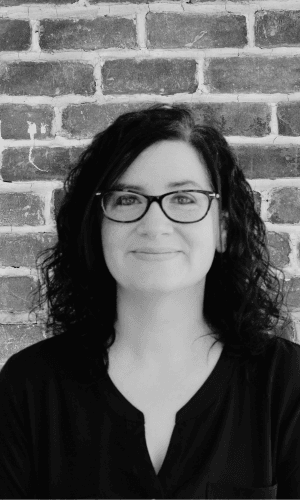
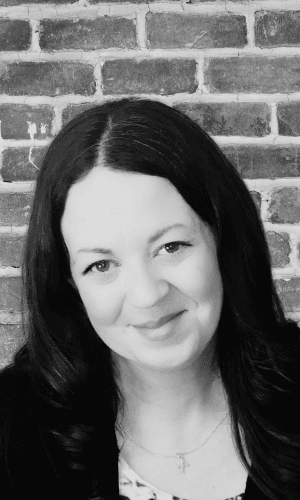


Understanding how loss changes you
Her work focuses on helping clients better understand themselves, their emotional responses & the ways
major life experiences can affect how they process the world around them.
Heather may be a good fit if you want to:
Finding your way through loss, change & the unexpected
Grief isn't always about losing someone you love. Sometimes it's about losing the life you thought you would have, the person you used to be or the future you imagined for yourself. Lesley brings a compassionate, person centred approach to counselling, creating space for you to explore the emotions, questions & changes that come with loss.
Lesley might be a good fit for you if:
You don't have to have everything figured out. Sometimes the first step is simply having a place where your experience makes sense.
`Honouring your story`, your relationships, your faith & what matters to you
Rebecca is a Certified Grief Recovery Specialist & has extensive experience working with individuals, couples, families, children &
adolescents. For clients who want their personal values, faith or spirituality to have a place in their counselling, Rebecca can
integrate those beliefs when they are meaningful to the client.
Rebecca might be a good fit if you want to:
Understanding grief in the context of your life & relationships
Colin brings a person centred & relationship focused perspective to grief & loss counselling.
Loss rarely happens in isolation. It can change your relationship with your partner, children, family, friends & even yourself.
Colin may be a good fit if you want to:
Grief counselling isn't about taking away your sadness.
It's about having somewhere safe to bring it.

Grief can be confusing. Counselling can help you understand emotional reactions that may feel unexpected or difficult to explain.

Sometimes the people around you stop asking questions long before you're finished needing to talk. Therapy gives you somewhere to keep talking.

Many people replay conversations, decisions or moments surrounding a loss. Counselling can provide space to explore these thoughts without becoming trapped in them.

Anger is a common part of grief, even when you don't expect to feel angry. You may be angry at someone who died, yourself, other
people, a health care system, God, circumstances or simply the unfairness of what happened.

The goal isn't to replace what you've lost.
It's to gradually figure out how to live in a world that has changed.

Sometimes grief raises bigger questions:
Who am I now?
What matters to me?
What does my future look like?
How do I honour what I've lost?

One of the biggest misconceptions about grief is that you only grieve when someone dies.
You can grieve:
These losses can be deeply significant even when other people don't understand why you're struggling.
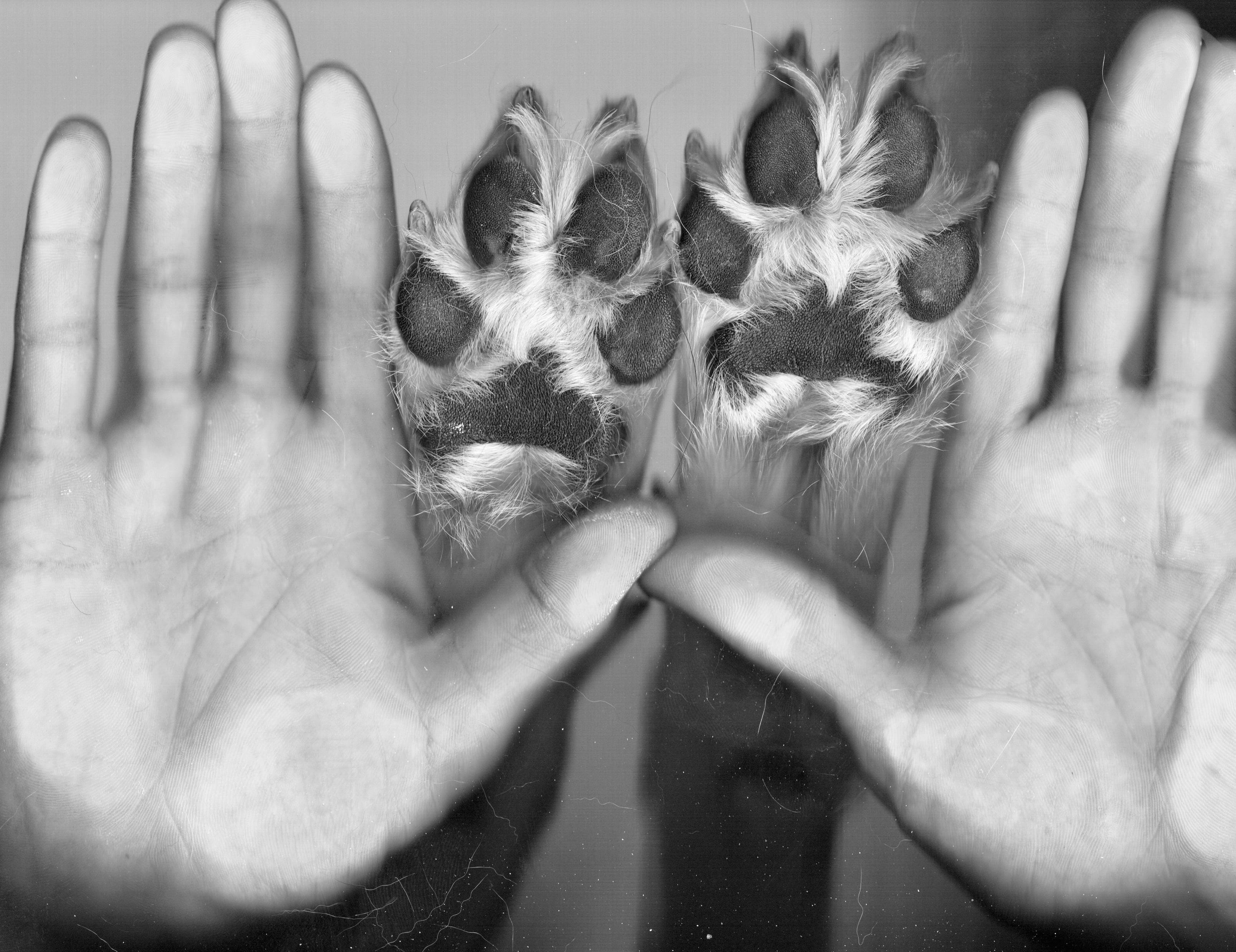
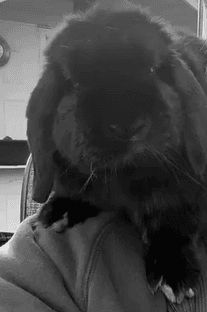
Losing a pet can be one of the most painful experiences a person goes through.
For many people, their pet was part of their daily routine, their family & their emotional support system.
After a pet dies, the silence in the house can be difficult.
There may be guilt around decisions about euthanasia, questions about whether you did enough or the loneliness of losing a companion/ family member whose importance other people don't fully understand.
You don't have to minimize your grief because your loss was an animal.



Not every loss is peaceful.
A sudden death, accident, suicide, overdose, traumatic event or witnessing someone suffer can leave you grieving while also trying to process what happened.
When grief & trauma overlap, you may need support with more than the loss itself.
The team at Auschrat Counselling includes clinicians with experience in trauma, crisis & psychological concerns, allowing
counselling to consider the broader impact of what happened.

There is no perfect way to grieve.
There is no schedule you have to follow.
And there is no requirement to stop missing someone before you're allowed to live again.
Sometimes healing means learning to carry the loss differently.
Sometimes it means understanding what happened.
Sometimes it means telling the story for the first time.
And sometimes it simply means having someone sit with you in the middle of something that hurts.
Your Loss Matters.
We acknowledge our main practice is located within Treaty 6 Territory and within the Métis homelands and Métis Nation of Alberta Region 4. This place is a traditional meeting ground and gathering place for multiple First Peoples including the Nehiyawak (Cree), Anishinaabe (Salteaux), Niitstapi (Blackfoot), Métis, Dene, and Assiniboine, whose footsteps have marked these lands for centuries. Our online service spans what is today called Alberta and the Northwest Territories, which include Treaties 4, 6, 7, 8, 10 and 11.
Copyright © 2026 Auschrat Online Counselling. All rights reserved. Web Design, SEM & SEO by CIPR Communications